

If you’re wondering whether you should still buy a diesel car in 2026, you’re asking the right question.
With rising fuel prices in Australia, stricter emissions standards under the New Vehicle Efficiency Standard (NVES) and more electric vehicles entering the market, it’s easy to feel uncertain. Some headlines suggest diesel is fading out. Others claim it’s making a quiet comeback.
So what’s the truth for Australian drivers?
The reality is simple: diesel cars are not outdated but they are not for everyone. If you drive long distances, tow regularly or travel regionally, a diesel vehicle can still offer strong fuel efficiency, engine durability and long-term value. But if most of your driving is short urban trips, the equation changes.
In this guide, we’ll give you a clear, practical and data-driven answer without hype or fear. You’ll learn:
- Whether diesel cars are still worth it in Australia
- How diesel compares to petrol in 2026
- What new emissions rules actually mean
- The real running costs and resale outlook
- And how to decide based on your annual kilometres
By the end, you’ll know with confidence whether a diesel car suits your lifestyle, budget and long-term plans.
Diesel Cars in Australia 2026: What Has Actually Changed?
For diesel cars in 2026, the biggest change in Australia is new environmental policy.
Australia introduced the New Vehicle Efficiency Standard (NVES) in 2025. This rule encourages car manufacturers to lower the overall emissions of the vehicles they sell.
Here’s the important part:
Diesel is evolving, not disappearing.
According to industry sales data, diesel remains dominant in Australia’s ute and 4WD segments. So, the government requires manufacturers to balance higher-emission vehicles with cleaner and more fuel-efficient models. That means brands can still sell diesel cars, but they must also offer lower-emission options to meet targets.
At the same time, other improvements are happening across Australia:
- Cleaner fuel standards now support modern diesel engines
- AdBlue systems help reduce harmful exhaust gases
- Newer diesel cars 2026 models are far cleaner than older diesel vehicles
So while environmental rules are becoming stricter, diesel cars are not disappearing. They are improving and adapting to new standards.
Are Diesel Cars Still Worth It in 2026?
Yes, if your driving habits suit diesel technology. Diesel makes strong financial sense if you:
- Drive over 15,000 km per year
- Travel long highway distances
- Tow caravans, boats or trailers
- Live in regional Australia
- Want long engine lifespan and resale strength
However, diesel may not suit you if:
- You mainly drive short city trips
- You average under 10,000 km annually
- You rarely leave metro traffic
Your annual kilometres are the biggest deciding factor.
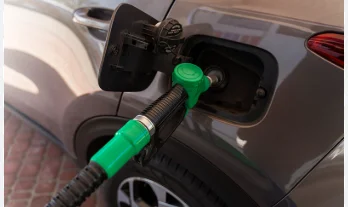
Are Diesel Cars Better Than Petrol For Aussie Drivers?
Quick Answer: Are diesel cars better than petrol?
It depends on how you drive. If you travel long distances, tow heavy loads or drive mostly on highways, a diesel car is often better. If you mainly drive short city trips, a petrol car may be the smarter choice.
Diesel vs Petrol Cars: Quick Comparison
| Feature | Diesel | Petrol |
|---|---|---|
| Highway fuel economy | Excellent | Moderate |
| City driving | Can struggle (DPF risk) | Ideal |
| Towing power | Strong torque | Less torque |
| Engine lifespan | Longer | Shorter |
| Upfront cost | Higher | Lower |
| Fuel efficiency long distance | Superior | Moderate |
Diesel Car Running Costs Australia
Diesel vehicles typically:
- Use less fuel per kilometre on highways
- Deliver better fuel efficiency under load
- Offer stronger torque at low RPM
For high-kilometre drivers, diesel’s cost per kilometre is often lower despite slightly higher servicing costs.
Urban Vs Regional Drivers: A Clear Contrast
Urban Drivers (Metro Melbourne & Major Cities)
If your driving looks like this:
- Short daily commutes
- Stop-start traffic
- Under 10,000 km per year
A petrol or hybrid vehicle may be smarter.
Why? Diesel particulate filters (DPF) need highway heat to regenerate properly. Short trips can lead to DPF clogging and higher maintenance costs.
Regional & Long-Distance Drivers
If you:
- Travel interstate
- Drive regional highways
- Tow caravans
- Work in trade or agriculture
Diesel vehicles perform exceptionally well. They’re built for heavy loads and long-distance efficiency.

Will Diesel Be Phased Out in Australia?
Short answer: No.
There is no confirmed national plan banning diesel vehicles in Australia. Unlike parts of Europe, Australia relies heavily on diesel for:
- Freight transport
- Agriculture
- Mining
- Emergency services
Diesel fuel remains strategically essential to national infrastructure. Even if electric vehicles grow, diesel will remain part of Australia’s transport ecosystem for decades.
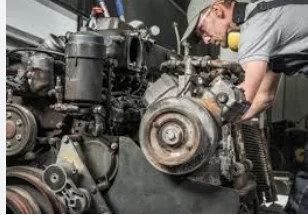
Diesel Engine Reliability & Lifespan: How Long Do Diesel Motors Last?
One of the most common questions people ask is:
“How long do diesel motors last?”
The good news is that a well-maintained diesel car can last a very long time. With proper servicing and regular maintenance, many diesel engines can exceed:
- 300,000 km
- 400,000 km
- Even 500,000 km
That’s why high mileage diesel cars still attract vehicle buyers’ interest in the used market. Buyers know that diesel engines are built tough and designed to handle high compression and heavy workloads.
Of course, longevity depends on a few key factors:
- Regular oil and filter changes
- Using good-quality diesel fuel
- Replacing fuel filters on time
- Avoiding short trips that prevent proper engine warm-up
When looked after properly, a diesel engine can outlast many petrol engines, making it a solid long-term investment.
Diesel Engine Maintenance Cost: What To Expect
Many people assume diesel is expensive to maintain. The truth is more balanced.
Long-Term Advantages
- Slightly higher per service
- More expensive if DPF issues occur
- Comparable long-term due to engine durability
Potential Higher Costs
- DPF replacement
- Turbocharger repairs
- Injector servicing
For drivers covering over 15,000 km annually, fuel savings often offset servicing costs.
Australia Fuel Shortage: Is Diesel at Risk?
Another common question Australians ask is: “Is diesel fuel going to run out in Australia?” The short answer is no. There is currently no indication that diesel fuel is disappearing from the Australian market. Diesel remains strategically important to the national economy because it powers:
- Freight and transport networks
- Agriculture and farming operations
- Mining and heavy industry
- Emergency and essential services
Due to its critical role in supply chains and infrastructure, diesel is treated as a priority fuel. Australia’s fuel security policies and national reserve requirements include diesel stockholding to help protect against supply disruptions.
While global fuel markets can fluctuate, diesel continues to be a core part of Australia’s energy and transport system and is expected to remain available for the foreseeable future.
Diesel Cars For Sale and Resale Value In Australia
Demand for diesel cars in Australia remains strong, especially outside major metro areas. At Sell The Car in Melbourne, demand remains strong for:
- Diesel SUVs
- Dual-cab utes
- 4WD touring vehicles
- Trade vehicles
Why resale value stays solid:
- Regional reliance on diesel
- Caravan and towing culture
- Engine longevity
- Strong ute market demand
Vehicles with full service history and clean ownership records command stronger offers.
Ready to Sell Your Diesel?
Thinking about upgrading or cashing in on your vehicle while resale values are strong? At Sell The Car, we make it simple, fast and stress-free. Whether you own a family SUV, a work ute or a reliable 4WD, we’ll give you a fair market offer based on real demand in Australia.
Diesel Car Taxes in Australia: What You Should Know
When calculating the real cost of owning a diesel vehicle in Australia, it’s important to understand how taxes apply.
Fuel excise:
Diesel and petrol are taxed at similar rates. Diesel is not specifically penalised.
Registration (rego):
Costs depend on vehicle weight and state regulations. Many diesel SUVs and utes may have slightly higher registration fees due to weight not fuel type.
Luxury Car Tax (LCT):
Applies only if the vehicle exceeds the government’s price threshold, regardless of whether it’s diesel or petrol.
Fringe Benefits Tax (FBT):
If the diesel vehicle is used as a company car, FBT may apply. The calculation is based on value and usage, not engine type.
Buying a Diesel for Work? Finance Matters
If you’re purchasing a diesel ute or SUV for business use, structure can affect cash flow and tax efficiency.
Novated Lease (Employees):
Payments deducted from pre-tax salary
Fixed budgeting
FBT may apply
Chattel Mortgage (Business Owners):
You own the vehicle from day one
GST and interest may be claimable
Balloon payments can reduce monthly costs
Always speak with your accountant before making a final decision.
Related Article: The Ultimate Guide to Understanding Car Stamp Duty & Motor Vehicle Duty in Australia
Total Cost of Ownership: Diesel vs Petrol (5-Year Example)
For high-distance drivers, diesel often wins financially.
Example (over 5 years, 20,000 km annually):
- Better fuel efficiency
- Lower fuel consumption
- Higher resale value
- Slower depreciation
Petrol may win for:
- Low annual kilometres
- City-based driving
- Lower upfront purchase cost
Your lifestyle determines the better financial outcome.
Diesel Hybrid & Electric Confusion Explained
A common question Australians ask is: “Is there an electric car with a diesel engine?”
At present, there is no mainstream diesel-electric hybrid passenger vehicle widely available in Australia.
Most hybrid vehicles sold locally combine a petrol engine and electric motor, not diesel. While diesel-hybrid technology has existed in limited overseas models, it is not common in the Australian market.
In simple terms, a diesel car remains a conventional internal combustion engine vehicle. It runs solely on diesel fuel and does not operate as an electric vehicle.
If you’re choosing between diesel, petrol hybrid or full electric, the decision should be based on your driving habits, fuel efficiency needs and long-term running costs.
Common Mistakes That Reduce Diesel Car Value
If you want to protect your diesel car’s resale value, avoid these common mistakes:
- Ignoring DPF warning lights or engine alerts
- Skipping scheduled servicing or delaying maintenance
- Accidentally putting petrol into a diesel vehicle
- Buying or selling high-kilometre vehicles without a full service history
Even minor mechanical issues can significantly reduce buyer confidence and lower your final resale price. Keeping detailed service records and fixing small problems early can help maintain strong market value.
Final Verdict: Should You Buy A Diesel Car In 2026?
A diesel car still makes strong sense in 2026 if:
- You drive long distances
- You tow regularly
- You travel regionally
- You want long engine life
- You plan to keep the vehicle long term
However, if most of your driving is short city trips, a petrol or hybrid vehicle may suit you better than diesel cars.
At Sell The Car, we understand real Australian driving conditions. Whether you’re buying, upgrading or selling, knowing how diesel cars 2026 perform in today’s market helps you make a confident and informed decision.
Ready To Sell Or Upgrade Your Diesel Vehicle?
Don’t leave money on the table. Get a fast, fair and hassle-free offer today.
FAQs About Diesel Cars In Australia (2026)
What Is The Future of Diesel Cars in Australia?
Diesel cars will continue to be used in Australia, especially for towing, regional travel and trade work. While emissions rules are tightening, there is no national ban planned. At Sell The Car, we still see strong demand for diesel vehicles in the used market.
Is It Worth Buying A Diesel Car In Australia?
It depends on how you drive. If you travel long distances, tow regularly or drive more than 15,000 km per year, a diesel vehicle can offer better fuel efficiency and strong engine durability. For short city trips, petrol or hybrid may be more suitable.
Is Diesel Being Banned in Australia?
No. There is no confirmed nationwide ban on diesel vehicles in Australia. New policies focus on lowering emissions from new cars, not banning existing diesel vehicles from being driven or sold.
Are Diesel Cars Cheaper To Run Than Petrol?
For highway driving and high annual kilometres, diesel vehicles often have lower fuel consumption per kilometre. However, servicing and maintenance costs can sometimes be slightly higher. The overall cost depends on your driving habits and total kilometres travelled. A proper car valuation from Sell The Car can help you understand current market pricing.
Can You Sell A Financed Diesel Car?
Yes, you can sell a financed diesel vehicle. The outstanding loan must be paid out before ownership transfers. Companies like Sell The Car can assist with handling finance payouts and simplifying the selling process.
Does Insurance Cost More For Diesel Cars?
Insurance premiums are usually based on the vehicle’s value, type and your driving history, not simply whether it runs on diesel. Larger SUVs or performance vehicles may cost more to insure than smaller cars.
What Problems Can Reduce A Diesel Car’s Value?
Common issues include DPF faults, warning lights, poor service history, oil leaks or neglected maintenance. Addressing small mechanical problems early can help protect resale value and buyer confidence.
Related Blogs

Car Selling Mistakes To Avoid In Melbourne, Australia
In Melbourne, selling your car requires planning, pricing and paperwork, not just an online listing. Car selling in Victoria involves pricing strategy, legal compliance, documentation and safe payment handling. If you want to sell your car successfully and avoid...

Selling Your Car in Victoria: Smart Negotiation Tips to Boost Your Price
If you’re selling your car in Australia, especially in Victoria, negotiation doesn’t have to feel awkward or pushy. The best way to sell a car is to understand your vehicle’s fair market value, set a walk-away price, prepare the correct documents through VicRoads and...

Book Driving Test in Melbourne, Victoria: Step-by-Step Guide
If you’re ready to book driving test in Victoria, you’re probably asking the same questions most learner drivers ask: How do I book my driving test in Melbourne? What are the requirements? How much does the driving test cost in Victoria? Can I use my own car? What...