

Many people wonder how to find the owner of a car after an accident, a parking issue or when buying a used vehicle. In Australia, this is a common question, but it’s not as simple as doing a number plate search.
Strict privacy laws protect personal information in Australia. You cannot legally get a car owner’s name or contact details from a number plate. What you can do is verify rego details through official state checkers, review vehicle history and run a PPSR search to check for money owing, especially in Victoria.
In this guide, we explain the correct steps to follow, what is legally allowed and what to avoid when trying to find car ownership information.
Quick answer: You can’t legally get a private owner’s name or contact details from a number plate. What you can do is check rego status through official state tools, review vehicle history and run a PPSR search to check for finance owing, theft or write-off records.

Understanding Privacy Laws Around Car Ownership in Australia
Can I Find a Car Owner With a Number Plate in Australia?
Australia has strict privacy rules to reduce misuse such as harassment, stalking, identity theft and fraud. That’s why personal owner details aren’t publicly available through number plates. A number plate search will not reveal a car owner’s name or address in Australia. Only authorised organisations can access owner information when there’s a lawful reason.
This means curiosity alone is not a valid reason to look up who owns a car or check car ownership in Australia.
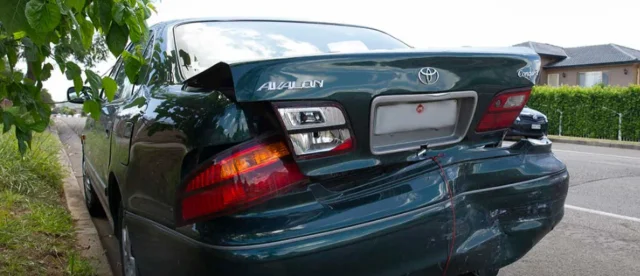
Can You Legally Find the Owner of a Car or Check Car Ownership in Melbourne?
In Melbourne and across Australia, private individuals cannot legally access a vehicle owner’s personal details. Strict privacy laws prevent the public from looking up a car owner’s name or contact information, even if you are asking, “how can I find out who owns a vehicle.”
While you cannot directly identify a car owner, you can legally confirm registration status through official state tools, check car history using authorised providers and complete a PPSR search to see whether the vehicle has outstanding finance or has been recorded as stolen or written off.
Who Can Find Out Who Owns a Car or Vehicle by the Number Plate?
What Can Police or Insurance Companies Do For Me?
In Australia, only authorised entities are legally allowed to access car owner details using a number plate. This rule exists to protect privacy and prevent misuse of personal information.
| Authorised Party | Reason |
|---|---|
| Police | Accidents, criminal cases and investigations |
| Insurance companies | Claims, disputes and vehicle ownership checks |
| Courts | Legal proceedings and case requirements |
| Government authorities | Compliance, enforcement and official actions |
If there is a valid and lawful reason, these organisations may find out who owns a car or vehicle and contact the owner on your behalf, without sharing personal details publicly.
What Details Can You Find When You Check Vehicle Ownership or Registration?
In Victoria, you can verify vehicle registration for free through VicRoads or Service Victoria. Similar government portals are used in NSW and QLD to check vehicle registration, allowing buyers to confirm rego status and basic vehicle details interstate.
By Using Official Government Tools, You Can:
- Confirm the vehicle is registered in Victoria
- Perform a Victoria vehicle registration check
- Check Victorian car registration details for accuracy
These checks are essential before buying a used car, as they help confirm the vehicle’s legal status and reduce the risk of future issues.
Steps to Find the Owner of a Car and Check Ownership of a Vehicle (Legal Ways Only)
Collect Key Vehicle Details
Start with the licence plate number, VIN (if available) and the vehicle’s make, model and colour. These details are required for any official enquiry, including situations involving an abandoned car Melbourne residents may need to report.
Report The Matter If It Involves Safety Or Legal Issues
If the situation involves an accident, hit-and-run or safety concern, report a hit and run Victoria incidents to the police and your insurance provider. They can legally trace the registered owner and manage communication if required.
Verify Registration Using Official State Services
Use authorised government portals to check a vehicle’s registration details, confirm its current status and ensure the information matches the vehicle. In Victoria, this is done through VicRoads or Service Victoria.
Run A PPSR Search Before Buying A Used Car
If you’re considering a purchase, complete a PPSR search to confirm whether the vehicle has outstanding finance or has been recorded as stolen or written off. You may also choose to perform a recall check, including checks related to the Takata recall, before finalising the purchase.
Avoid Unofficial Owner-Lookup Websites
Be cautious of platforms claiming they can reveal a car owner’s name using a number plate. These services are often unreliable and may operate outside Australian privacy laws.
What To Do After a Hit-and-Run in Victoria
If you’re involved in a hit-and-run in Victoria, it’s important to follow the correct legal process rather than trying to identify the owner yourself.
- Record the licence plate number, time, location and vehicle description
- Report the incident to Victoria Police
- Contact your insurance provider as soon as possible
- Do not attempt to contact the owner directly
- Police or insurers will legally trace the registered owner and manage communication
This approach ensures the matter is handled lawfully and protects you from privacy or legal breaches.
How to Check a Car’s Registration Using Number Plate or Rego Details
Many buyers want to know how to check who a car is registered to before purchasing a used vehicle. This usually comes up when verifying a car’s background or confirming that the registration details match the vehicle being sold.
While you cannot view the owner’s name, you can still confirm important information. This includes checking whether the car is currently registered, identifying the state of registration and matching the licence plate to the correct vehicle.
These checks help confirm the car’s legitimacy and reduce the risk of buying a vehicle with hidden issues.
What Can a Rego Check in Victoria Tell You About a Vehicle?
A rego check in Victoria lets you confirm the registration status and match the plate to the vehicle details. It won’t show the owner’s name, but it helps you confirm the car is legitimate before you buy.
How a Rego Check Helps You Verify a Car Using Registration or Licence Plate Details
A rego check allows you to verify a vehicle using its registration or licence plate details before making any decision. By entering the plate number into an official VicRoads registration check you can confirm whether the car is currently registered and whether the details match the vehicle being advertised.
This process helps you:
- confirm that the registration details match the seller’s information
- use the registration number to verify the vehicle’s identity
- Ensure the licence plate, vehicle make and model are correctly linked
Verifying these details is especially important when buying a used car, as it helps reduce the risk of purchasing a vehicle that has been misrepresented, incorrectly listed or is no longer legally registered.
Number Plate Cloning or Plate Theft: Why Rego Checks Matter
Number plate cloning occurs when a stolen or copied licence plate is used on another vehicle. This can result in fines, toll charges or legal issues being wrongly linked to an innocent party.
Running a rego check helps confirm that:
- The licence plate matches the correct vehicle
- The make, model, and registration details align
- There are no obvious discrepancies that may indicate fraud
This is why buyers should always verify rego details and VIN information together, especially when purchasing a used vehicle privately.
Rego Check vs Car History Check: What’s the Difference for Buyers?
| Check Type | When to Use It |
|---|---|
| Rego Check | Registration status and licence plate details |
| Car History Check | Accident history, write-off status and theft records |
| PPSR Check | Outstanding finance and ownership risks |
Both checks are important, but they serve different purposes and should be used together when buying a used car.
Car History Check, VIN (Vehicle Identification Number) Search and Vehicle Title Lookup
Checking car history helps buyers understand a vehicle’s past. It can show whether the car has been in an accident, written off or reported as stolen. In some cases, buyers can also use the VIN to confirm key vehicle details and complete a vehicle title lookup.
These checks help buyers avoid hidden issues such as past damage, outstanding finance or ownership disputes, making them an important step before purchasing a used vehicle.
What a Vehicle Registration Check Shows in Each Australian State
Australia uses state-based registration systems. While each state has its own portal, all official rego checks provide limited public information and do not show the registered owner’s personal details.
Victoria (VIC)
A Victorian rego check confirms the vehicle’s registration status, expiry date and basic vehicle details. Owner identity and contact information are not displayed.
New South Wales (NSW)
A NSW registration check shows the registration status, expiry date, and CTP insurer details. The registered owner’s name and address are not visible.
Queensland (QLD)
A QLD rego check allows buyers to verify registration status, expiry date, and vehicle description. Personal owner details are not provided.
Western Australia (WA)
A WA registration check confirms whether the vehicle is registered and displays basic vehicle information only.
While portals differ by state, privacy laws apply nationwide. Registration checks confirm a vehicle’s legitimacy, not the owner’s identity, and help buyers verify that the registration details match the car, even for interstate vehicles.
Online Portals
State-based motor vehicle authorities provide online tools that make it easy to check vehicle registration information. In Victoria, these services allow users to run a VicRoads vehicle check number plate check using a licence plate or registration number.
Through these portals, you can usually view:
- Current registration status
- Registration expiry date
- State of registration
These tools are useful when you want to verify vehicle registration before buying or selling a car.
Information Accessibility
While these government portals are reliable and easy to use, they offer limited public information. Personal details such as the owner’s name or address are not shown due to privacy laws. For deeper insights, like accident records or past write-offs, buyers often use authorised car history check providers alongside a vehicle registration verification.
State registers are best suited for quick checks, such as confirming whether a vehicle is registered or eligible for transfer in Victoria.
Personal Properties Security Register (PPSR) Check
How Do I Check If a Car Has Finance Owing in Australia?
A PPSR (Personal Property Securities Register) check is a critical step when buying a used car. It confirms whether a vehicle has finance owing, a secured interest or other financial encumbrances attached to it.
If a buyer unknowingly purchases a car with outstanding finance, the lender may still have the legal right to repossess the vehicle, even after the sale.
A PPSR search helps buyers confirm:
- Outstanding loans or finance agreements
- Secured interests or encumbrances
- Stolen or written-off vehicle records
The PPSR is the only national register that confirms ownership and finance risk before money changes hands, making it one of the most important checks before completing a purchase.
Buying a Car and PPSR
When purchasing a used car, completing a PPSR search is highly recommended. A proper vehicle ownership check through PPSR ensures the car is not under finance. If a buyer unknowingly purchases a vehicle with existing financial obligations, the lender may have the legal right to repossess it.
By combining a rego check VIC, check car ownership and a PPSR search, buyers add an extra layer of protection and peace of mind when purchasing a used vehicle in Victoria.
Avoid Risks And Hidden Issues When Selling Your Vehicle.
Choose Sell The Car for a safe, compliant and stress-free way to sell your car in Melbourne. Start your quote online today.
Conclusion: The Right Way to Find the Owner of a Car and Check Car Ownership
If you are trying to understand how to find the owner of a car, it is important to remember a few key points. You cannot legally access personal owner details in Australia due to strict privacy laws.
However, you can still perform safe and legal checks to protect yourself. Using official services to check car ownership, verify vehicle registration, review car history and complete a PPSR check helps buyers avoid risks and make informed decisions.
When ownership details are required, authorised bodies such as police, insurers or government authorities handle the process correctly. The safest approach is to check car ownership through official channels rather than trying to contact a previous owner directly.
Not Sure How To Proceed?
Connect with Sell The Car and let our team guide you.
FAQs About How to Find Out Who Owns a Car or Vehicle in Australia
How do I find out who owns a car in Australia?
You cannot directly access a car owner’s personal details due to privacy laws. However, you can legally check car ownership, registration status and vehicle history using official services.
How do you find out who owns a vehicle after an accident?
After an accident, you should contact the police or your insurance provider. They can legally trace the owner and handle communication on your behalf.
Can I check car ownership using a number plate?
You can use a number plate to check vehicle registration and confirm car details. However, it will not show the owner’s name or contact information.
How can I find out who a car is registered to in Victoria?
You cannot see the registered owner’s identity, but you can verify registration details through a Victoria vehicle registration check or a VicRoads service.
Is a PPSR check important when buying a used car?
Yes, a PPSR check helps check car ownership and confirms whether the vehicle has outstanding finance or legal issues before you buy.
Related Blogs
Car Selling Mistakes To Avoid In Melbourne, Australia
In Melbourne, selling your car requires planning, pricing and paperwork, not just an online listing. Car selling in Victoria involves pricing strategy, legal compliance, documentation and safe payment handling. If you want to sell your car successfully and avoid...

Selling Your Car in Victoria: Smart Negotiation Tips to Boost Your Price
If you’re selling your car in Australia, especially in Victoria, negotiation doesn’t have to feel awkward or pushy. The best way to sell a car is to understand your vehicle’s fair market value, set a walk-away price, prepare the correct documents through VicRoads and...

Should You Still Buy A Diesel Car In 2026?
If you’re wondering whether you should still buy a diesel car in 2026, you’re asking the right question. With rising fuel prices in Australia, stricter emissions standards under the New Vehicle Efficiency Standard (NVES) and more electric vehicles entering the market,...