

If you’re buying or selling a used car in Melbourne, especially around Carrum Downs, one of the first questions people ask is: what’s a good number of kilometres on a used car? Kilometres can affect value, condition and how long the vehicle is likely to stay reliable.
That said, the odometer number is only part of the story. Age, service history and how the car has been driven often matter just as much as the kilometres showing on the dash.
In this guide, we’ll explain what “good kilometres” usually look like for different vehicle ages, when higher km can still be a smart buy and what to check before you commit, whether you’re purchasing second-hand or planning to sell with Sell The Car in Melbourne.
Quick Answer: A good number of kilometres for a used car in Melbourne, Australia is usually around 12,000–15,000 km per year of age. For example, a 5-year-old car with 60,000–75,000 km is considered normal. However, service history and condition matter more than the odometer alone.
What Is Considered Good Mileage for a Used Car?
A good kilometre reading depends mostly on the car’s age and usage, not one magic number. In Australia, many vehicles average roughly 12,000–15,000 km per year depending on lifestyle and driving conditions. (National data also shows averages around ~12k km per vehicle in some reports.)
Good Kilometres by Vehicle Age in Melbourne, Australia
| Vehicle Age | Typical Kilometres | What This Means |
|---|---|---|
| 3 years | 36,000–45,000 km | Normal use |
| 5 years | 60,000–75,000 km | Ideal range |
| 8 years | 96,000–120,000 km | Acceptable if serviced |
| 10 years | 120,000–150,000 km | Condition matters more |
Takeaway: Kilometres are only considered high when they exceed the expected average for the vehicle’s age.
If a car falls within these ranges, it’s generally considered normal for its age. This is why there’s no single number that defines what mileage is good for a used car.
In many cases, a car with higher kilometres but full service records, regular maintenance and clean ownership history can be a better and safer buy than a low-km car that hasn’t been properly looked after. When deciding what is a good mileage for a second hand car, condition and care always matter more than kilometres alone.
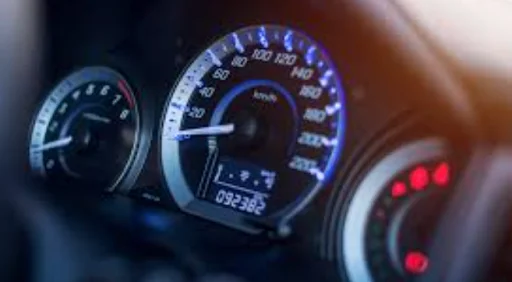
How Many Kilometres Can a Car Last?
Modern vehicles are meant to last for a long time. With proper care, many cars today can easily reach 250,000 to 300,000 km and some can go well beyond that. If you’re asking about average car life expectancy, the truth is it varies. A car’s condition, service history and daily use matter far more than the mileage alone.
For example, highway driving around Melbourne and regional Victoria usually causes less wear than short city trips with constant stop-start traffic. This plays a big role in vehicle lifespan and should always be considered when judging how many km a car can last.

How Many Kilometres Is Too Much for a Used Car?
There isn’t a universal cut-off for used car mileage, but risk generally increases as kilometres rise, especially if service records are incomplete or missing. Instead of focusing only on the odometer, experienced used car dealerships assess the full picture before making a decision. A proper evaluation always includes documentation review and a detailed inspection.
When Assessing A Higher-Kilometre Vehicle, Compare:
- Kilometres vs vehicle age (average km per year in Australia)
- Complete logbook history and service invoices
- Results from a professional inspection
- Mechanical condition of engine, transmission, suspension, tyres and brakes
- Any signs of irregular wear or inconsistent odometer readings
This structured approach gives a far more accurate view of the car’s condition than relying on kilometres alone.
Used Car Mileage Risk Guide
| Kilometres on the Car | Typical Condition | Risk Level for Buyers |
|---|---|---|
| Under 150,000 km | Normal mileage for many used cars if serviced on time | Low risk |
| 150,000 – 200,000 km | Acceptable for a used car with full service history | Medium risk |
| Over 200,000 km | Requires careful inspection and pricing review | Higher risk |
A well-maintained car with 200,000 km can be a safer choice than a poorly serviced car with 120,000 km. This is why professional inspections and service records matter more than the odometer alone.
When Higher Kilometres Are Still OK And When to Walk Away
Higher kilometres don’t automatically mean a bad car. In many cases, a well-maintained vehicle with higher used car mileage can be a smarter buy than a neglected low-km option. The key is knowing what to look for.
When Higher Kilometres Are Still OK
- Full logbook service history with consistent intervals
- Mostly highway driving rather than short city trips
- Major services already completed (timing belt, transmission service, etc.)
- Clean PPSR check with no finance owing
- Strong mechanical inspection results
Related Article: Can I Sell a Financed Car in Melbourne?
When to Walk Away
- Missing or incomplete service records
- Signs of odometer tampering
- Multiple mechanical warning signs
- Poor maintenance or visible neglect
- Asking price does not reflect the higher kilometres
Is 200,000–300,000 km Too Much for a Used Car?
As a used car dealership in Melbourne, we regularly see vehicles with 200,000 km that are still reliable, safe and capable of running for many more years. What matters most is how the car has been looked after. So, no 200,000 km on a car is not automatically bad.
A used car with regular servicing, timing belts or chains replaced on time and a clean ownership history can be a far better option than a neglected car showing much lower kilometres.
Is it okay to buy a car with 250,000 km or more?
if you’re asking is 250000 km on a car bad or is 300,000 km a lot for a used car, the practical answer depends on the car’s value and condition.
At this mileage level:
- The price should reflect the kilometres
- A full service history becomes critical
- A professional mechanical inspection is a must
So yes, you can buy a car with 250,000 km or more. High-kilometre cars often suit buyers looking for value, not resale. If you plan to keep the car and it has been maintained properly, higher mileage alone shouldn’t stop you from buying.
How Many Kilometres per Year Is Normal in Australia?
Knowing the average kms per year for a car makes it easier to tell whether a car has been over-used or barely driven. In Australia, the normal car mileage per year depends on how the vehicle is used.
| Type of Use | Average km per year |
|---|---|
| City driving | 10,000–12,000 km |
| Mixed city & highway use | 12,000–15,000 km |
| Highway or regional driving | 15,000–18,000 km |
| Work or commercial vehicles | 20,000+ km |
If a car’s km per year average is much higher or lower than these figures, it’s worth asking why. Very high kilometres may mean heavy use, while very low kilometres can point to long periods of inactivity, which can also cause wear over time.
Age vs Mileage: Which Matters More When Buying Used?
| Factor | What It Means for Buyers |
|---|---|
| Older car with low kilometres | A car with very low kms but high age may look attractive, but parts like rubber seals, hoses and gaskets can dry out if the car hasn’t been driven regularly. Low use does not always mean low wear. |
| Newer car with higher kilometres | A newer car with higher kms is often driven mainly on highways and may have been serviced on schedule, which can actually reduce long-term wear on the engine and transmission. |
| What really matters | When deciding how many km should a used car have, always compare kilometres to the car’s age, service history and usage, not just the number on the odometer. |
Key takeaway for buyers
There is no perfect number for mileage for a car. A well-maintained vehicle with higher mileage can be a better choice than a low-km car that hasn’t been properly cared for.
Does Vehicle Type Affect Mileage Limits?
Yes, vehicle type plays a big role in how many kilometres are considered good for a used car. Different vehicles are built for different workloads, which directly affects how many km a car can last in real Australian driving conditions.
| Vehicle Type | Typical Mileage Range | What This Means for Buyers |
|---|---|---|
| Small cars & sedans | Up to 250,000 km | These vehicles are usually lighter and fuel-efficient. With regular servicing, a good amount of kilometres for a used car in this category can still offer reliable daily driving. |
| SUVs & family cars | 250,000 km or more | Built for longer trips and heavier loads. When well maintained, these vehicles often deliver a good car mileage for used cars, even at higher kilometre readings. |
| Commercial & work vehicles | 300,000 km+ is common | Designed for constant use. Higher kilometres arenormal, so how many kms is too much for a used car depends more on service history than the odometer alone. |
Dealership Insight from Sell The Car, Melbourne
When assessing mileage for a car, always match the kilometres to the vehicle type, not just the number on the dashboard. A well-maintained work vehicle with higher kilometres can often be a smarter buy than a poorly serviced low-km car.
Not Sure If the Kilometres Stack Up? Let Sell The Car Help
At Sell The Car, our Carrum Downs team inspects used vehicles every day and knows what kilometres make sense for each vehicle type. Whether you’re buying, trading in or selling, we’ll give you honest, market-based advice without any pressure.
Petrol vs Diesel vs Hybrid vs Electric: Mileage Expectations
| Vehicle Type | Typical Mileage Expectation | What Really Matters |
|---|---|---|
| Petrol cars | Petrol engines commonly last up to 250,000 km with proper care and regular servicing. | Oil changes, cooling system health and timely maintenance play a big role in overall car life expectancy. |
| Diesel cars | Well-maintained diesel engines often exceed 300,000 km and are known for long-distance durability. | If you’re asking how long will a diesel engine last, the answer almost always comes down to service history and driving conditions. |
| Hybrid vehicles | Hybrids can last as long as petrol cars, but battery performance becomes important after 8–10 years. | Regular servicing and battery health checks affect how many kilometres a car can last. |
| Electric vehicles (EVs) | EVs have fewer moving parts, which reduces wear, but battery range can decline over time. | Battery condition, charging habits and usage patterns matter more than traditional mileage for a car. |
Mileage Red Flags That Buyers Often Miss
When judging a used car, low kilometres don’t always mean low wear. Watch for signs that don’t match the odometer reading, like heavy wear on the steering wheel or pedals, a sagging driver’s seat, faded buttons or uneven tyre wear. Gaps in service records are another warning sign. If the seller can’t clearly explain the vehicle’s history, it increases your risk and the chances of costly surprises later.
Smart Checklist for Buying a Used Car with Higher Kilometres
If you’re buying a second hand car and it has higher kilometres, focus on facts, not fear. A well-looked-after car with higher kms can still be a smart buy.
Use this checklist:
- Review the full logbook service history with regular intervals
- Confirm major maintenance has already been completed
- Conduct a clean PPSR check to ensure no outstanding finance
- Verify the VIN (Vehicle Identification Number) matches all paperwork
- Complete a VicRoads registration check to confirm rego status
- Ensure a valid Roadworthy Certificate (RWC) is provided in Victoria
- Understand the rego transfer process before finalising the purchase
- Arrange a professional mechanical inspection
These steps matter more than chasing the lowest number on the dash. They help you judge how many kms on a used car is too much in real terms. For many Melbourne buyers, a properly maintained high-km car offers better value than an unknown low-km option. This practical approach supports safer decisions and aligns with real dealership experience.
Related Article: How to Sell a 10+ Year Old Car in Melbourne for the Best Price?
What Mileage Is Right for You When Buying or Selling a Used Car?
Selling a High-Kilometre Used Car in Melbourne
If you’re selling a car with higher mileage, kilometres alone don’t decide its value. Used car dealerships in Melbourne assess the overall condition, service history, current market demand and expected repair costs. A well-maintained vehicle can still perform strongly, even with higher kilometres. Being upfront and having proper documents builds trust and helps you get a fair price.
Buying a Used Car: What Mileage Should You Look For?
A good used car usually matches its age and kilometres, shows regular servicing and suits your budget and driving needs. Always look beyond the odometer.
Final Thoughts: What Mileage Is Right for You?
There is no fixed number when deciding how many kilometres is good for a used car. The right mileage for a car depends on its age, service history and how well it has been looked after. A used car with higher kilometres can still be a smart choice if it has been regularly serviced and drives well. At the same time, low kilometres only add value when the car has been used and maintained properly.
Whether you are buying or selling in Melbourne, always focus on condition, records and real-world use. In the end, a well-maintained car is always worth more than a low-kilometre one that’s been neglected.
Ready to Take the Next Step?
Get a free trade-in valuation and find out what your car is worth today.
FAQs About Used Car Kilometres
What is considered high kilometres for a used car in Melbourne, Australia?
In Australia, high kilometres usually means the car has been driven well above the average 12,000–15,000 km per year. For example, a 5-year-old car with over 100,000 km may be considered high. However, at Sell The Car in Melbourne, we assess condition and service history before judging whether the kilometres are truly a concern.
Is a car with low kilometres always better?
Not always. A car with low kilometres can still have issues if it hasn’t been serviced regularly or has sat unused for long periods. Seals, fluids and batteries can deteriorate over time. At Sell The Car, we advise buyers to focus on maintenance history and inspection results, not just the odometer reading.
Can a car last more than 300,000 km?
Yes, many modern vehicles can exceed 300,000 km with proper servicing and care. Diesel engines, in particular, are often known for long-distance durability. The key factors are consistent maintenance, driving conditions and mechanical condition. A well-maintained vehicle may last far longer than expected, even with higher kilometres.
Do I need a Roadworthy Certificate when buying a used car in Victoria?
In most cases, yes. In Victoria, a Roadworthy Certificate (RWC) is required when selling a registered vehicle, unless specific exemptions apply. The certificate confirms the vehicle meets minimum safety standards. When discussing vehicle purchases at Sell The Car in Melbourne, we always recommend verifying RWC status before proceeding.
Why is a VIN check important when buying a used car?
A VIN (Vehicle Identification Number) check confirms the car’s identity and ensures it matches registration and service records. It helps protect buyers from fraud, incorrect paperwork or potential odometer issues. Before finalising a purchase, it’s important to verify that the VIN on the vehicle matches all documentation.
Does higher mileage reduce my car’s value?
Generally, yes. Higher kilometres can reduce resale value because buyers factor in potential future maintenance costs. However, service history, vehicle condition and market demand also play a major role. At Sell The Car in Melbourne, we evaluate the full picture not just the kilometre reading when assessing trade-in value.
Related Blogs

Car Selling Mistakes To Avoid In Melbourne, Australia
In Melbourne, selling your car requires planning, pricing and paperwork, not just an online listing. Car selling in Victoria involves pricing strategy, legal compliance, documentation and safe payment handling. If you want to sell your car successfully and avoid...

Selling Your Car in Victoria: Smart Negotiation Tips to Boost Your Price
If you’re selling your car in Australia, especially in Victoria, negotiation doesn’t have to feel awkward or pushy. The best way to sell a car is to understand your vehicle’s fair market value, set a walk-away price, prepare the correct documents through VicRoads and...

Should You Still Buy A Diesel Car In 2026?
If you’re wondering whether you should still buy a diesel car in 2026, you’re asking the right question. With rising fuel prices in Australia, stricter emissions standards under the New Vehicle Efficiency Standard (NVES) and more electric vehicles entering the market,...