

A bad throttle body sensor causes airflow problems, which can lead to stalling, hesitation and poor acceleration. If your car feels weak, stalls at traffic lights or hesitates when you press the accelerator, you may be dealing with bad throttle body sensor symptoms. Many Melbourne drivers ignore these warning signs until the vehicle becomes unsafe to drive or too expensive to repair.
In this guide, we explain what these symptoms mean and why they matter. At Sell The Car, we regularly inspect vehicles where throttle body sensor issues were missed early. Knowing the signs helps you decide whether fixing the issue is worth it or if selling your car quickly is the smarter and stress-free option.
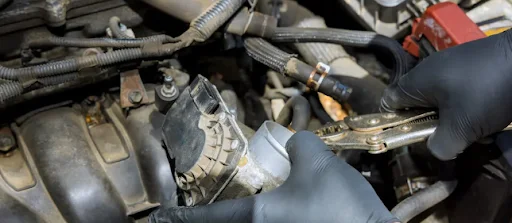
Why Throttle Body Sensor Problems Matter for Melbourne Drivers
Melbourne driving often means heavy traffic, frequent stops and short trips. These conditions put extra pressure on the throttle body sensor and related parts.
When a bad throttle body sensor starts to fail, the engine cannot control airflow correctly. This can cause rough idling, poor acceleration, higher fuel use and sudden stalling. Over time, these throttle body sensor symptoms can lead to failed roadworthy inspections and lower resale value for Melbourne drivers.
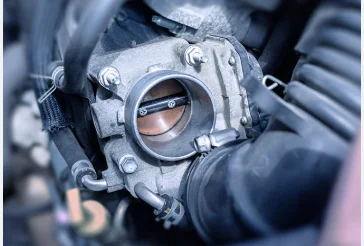
What Is a Throttle Body Sensor and What Does It Do?
How the Throttle Body Sensor Controls Acceleration
The throttle body sensor controls how much air flows into the engine when you press the accelerator. This airflow helps the engine decide how much power to produce. The sensor works closely with the throttle position sensor (TPS) to keep acceleration smooth and steady.
When the throttle body sensor is working properly, the car responds quickly and drives smoothly. When it fails, the engine receives the wrong signals. This can lead to hesitation, stalling or a noticeable loss of power, especially during stop start driving.
Common Signs of a Bad Throttle Body Sensor
A bad throttle body sensor affects how your engine controls airflow, which directly impacts performance and drivability. These symptoms often appear gradually but tend to worsen over time if ignored.

Loss of Power When Accelerating
One of the first bad throttle body sensor symptoms drivers notice is weak acceleration. You press the pedal, but the car feels slow, heavy or struggles to pick up speed, especially when merging or overtaking.

Rough Idle or Engine Stalling
A faulty throttle body sensor can cause the engine to shake, idle unevenly or stall while stopped. This often happens at traffic lights or in stop start city driving and is a common sign the airflow is not being controlled properly.
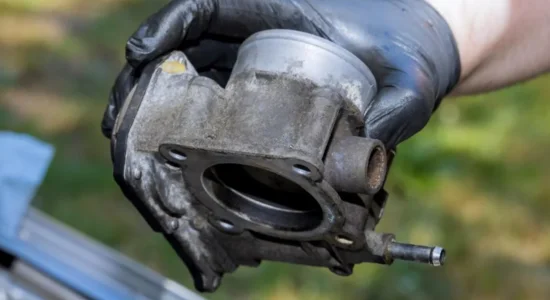
Delayed Throttle Response
If there is a pause between pressing the accelerator and the car moving, it may point to throttle body sensor symptoms. This delay can make the car feel unpredictable and unsafe in busy traffic.

Poor Fuel Economy
When airflow readings are incorrect, the engine burns more fuel than needed. Over time, symptoms of a bad throttle body sensor can lead to noticeable drops in fuel efficiency and higher running costs.
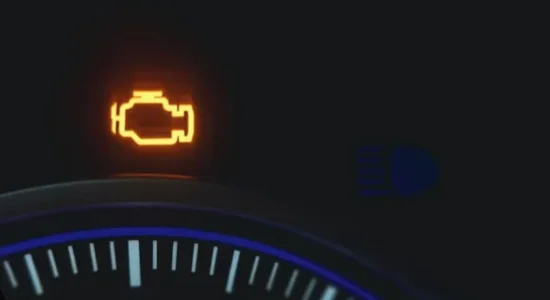
Check Engine Light Turning On
A bad sensor may send alerts that switch on the check engine light. Diagnostic scans may show fault codes linked to throttle body sensor problems, even if the car still seems to drive normally at first.
Throttle Body Sensor Symptoms at Idle vs While Driving
Understanding how throttle body sensor symptoms show up at idle compared to while driving can help you spot problems early. Used car dealerships often use this comparison to detect early throttle body failure symptoms before they turn into costly repairs.
Symptoms at Idle
When the car is stopped or idling, a bad throttle body sensor may cause:
- Engine revs fluctuate, even when your foot is off the pedal
- Rough or shaking idle, especially at traffic lights
- Sudden stalling, which can happen without warning
These signs often point to throttle body sensor symptoms or idle throttle sensors that should not be ignored.
Symptoms When Driving
While driving or pressing the accelerator, you may notice:
- Hesitation or lag when you try to speed up
- Jerky movement instead of smooth acceleration
- Reduced power, making the car feel weak or sluggish
These are common throttle body sensor symptoms when accelerating and usually get worse over time. Recognising these throttle body sensor symptoms early helps you decide whether a repair is worth it or if selling the car before the issue worsens is the smarter option.
Is It Safe to Drive With These Symptoms?
- Driving with bad throttle body sensor symptoms can be unsafe, especially in heavy or stop-start traffic.
- The vehicle may hesitate, lose power or stall without warning, increasing accident risk.
- In some cases, the car can enter limp mode, limiting speed and throttle response.
- Short trips may still be possible if symptoms are mild, but continued driving often worsens the issue.
- Addressing the problem early or selling the car before costs increase is usually the safer option.
Noticed These Throttle Body Sensor Symptoms In Your Car?
Before spending money on repairs, talk to Sell The Car. We help Melbourne and Carrum Downs drivers sell their cars fast, even with engine or sensor issues.
Throttle Body Sensor vs Throttle Position Sensor Comparison Table
| Feature | Throttle Body Sensor | Throttle Position Sensor (TPS) |
|---|---|---|
| Main Function | Controls airflow into the engine | Measures accelerator pedal position |
| Affects | Air intake and engine response | Throttle input and engine timing |
| Common Symptoms | Rough idle, stalling, poor acceleration | Hesitation, sudden power loss, jerky acceleration |
| Check Engine Light | Yes, often triggered | Yes, commonly triggered |
| Can Cause Stalling | Yes | Yes |
| Often Confused Because | Both impact acceleration and idle | Both impact acceleration and idle |
Why This Difference Matters
Knowing whether the problem is a throttle body sensor or a throttle position sensor helps avoid unnecessary repairs. Replacing the wrong part can waste time and money, especially if your car already has multiple mechanical issues.
If repair costs start adding up, many Melbourne drivers choose to sell their car instead of fixing sensor problems.
How Long Can You Drive With a Bad Throttle Body
How long you can keep driving depends on how serious the problem is. With mild bad throttle body sensor symptoms, some cars may still run for a few days or even weeks. However, the driving experience often feels rough and unpredictable.
If the throttle body sensor gets worse, the car may stall suddenly, lose power or enter limp mode. Driving with a failing throttle body sensor increases the risk of breakdowns, unsafe driving situations and failed roadworthy inspections in Victoria. Ignoring the issue can also lower your car’s resale value.
What to Expect When Driving With a Bad Throttle Body Sensor
| Condition Level | Common Symptoms | How Long You Might Drive | Risk Level |
|---|---|---|---|
| Mild Issue | Throttle body sensor symptoms like hesitation or rough idle | Days to weeks | Medium |
| Moderate Issue | Power loss, warning lights, poor acceleration | Short term only | High |
| Severe Issue | Stalling, limp mode, unsafe driving | Not recommended | Very High |
What Happens If Throttle Body Sensor Problems Are Ignored?
Ignoring throttle body sensor problems can lead to more serious mechanical and safety issues over time. What starts as a minor drivability concern can quickly become costly.
- If left unresolved, drivers may face:
- Sudden breakdowns or loss of power
- The vehicle entering limp mode
- Failed roadworthy inspections in Victoria
- Increased repair costs as related components are affected
- Lower resale or trade-in value
Addressing throttle body sensor issues early gives you more options, whether that means repairing the fault or selling the vehicle before costs increase.
Throttle Body Sensor vs Throttle Position Sensor Failure
| Issue Area | Bad Throttle Body Sensor | Failed or Unplugged TPS |
|---|---|---|
| Acceleration | Jerky or delayed response | Limited power or no response |
| Engine Behaviour | Stalling or rough idle | Hesitation or limp mode |
| Warning Lights | Check engine light on | Multiple warning lights |
| Fuel Economy | Noticeable drop in mileage | Poor fuel control |
| Driving Safety | Unpredictable performance | Restricted speed and control |
| Fix Attempt | Cleaning may help short term | Unplugging causes more issues |
Knowing whether the issue is a throttle body sensor or a TPS matters, as the throttle position sensor replacement cost can differ depending on the vehicle and labour involved.
Why Ignoring These Symptoms Costs More Later
Driving with bad throttle body sensor symptoms or TPS failure symptoms often leads to:
- More expensive repairs
- Failed inspections
- Lower trade-in offers
- Sudden breakdowns
Catching these issues early gives you options. You can decide whether repair makes sense or if selling the car before costs rise is the smarter move.
Can You Reset or Clean a Throttle Body Sensor?
Many drivers compare throttle body sensor cleaning vs replacement to decide whether a simple fix is possible or if a permanent repair is needed. In some cases, a throttle body sensor issue can be improved with a reset or cleaning. However, these steps only help in limited situations and are not a permanent fix for every problem.
Throttle Body Reset
Some vehicles allow a throttle body reset using diagnostic tools or a specific reset procedure. This can help when the issue is caused by a software glitch or incorrect calibration. A reset may temporarily improve performance, but it will not fix a damaged or failing sensor.
Throttle Body Cleaning
Using a throttle body cleaner can remove dirt, oil and carbon buildup inside the throttle body. Cleaning can help if the symptoms are caused by contamination. However, throttle body sensor cleaning will not fix electrical faults or worn components.
When Resetting or Cleaning Does Not Work
If symptoms like rough idle, hesitation or stalling continue after cleaning or resetting, the throttle body sensor symptoms usually point to sensor failure. In these cases, repair or replacement is often required.
Throttle Body Sensor Repair and Replacement Cost in Victoria
For many drivers, the throttle body sensor replacement cost depends on the vehicle’s make, model and age, with parts and labour adding up quickly. Older vehicles often cost more to repair because parts are harder to source and additional issues may appear during inspection.
So, is repair worth it? If the car has only one issue and is otherwise in good condition, fixing the sensor may make sense. However, if you are already dealing with multiple problems, a faulty throttle body sensor can become an expensive fix that does not improve the car’s overall value. For many Victorian drivers, selling the car instead of paying high repair costs is the smarter option.
Is It Better to Fix the Sensor or Sell the Car in Melbourne?
When your car shows bad throttle body sensor symptoms, the big question is whether repairing it is worth the cost or if selling the car makes more sense. The right choice depends on the age of your car, its overall condition and repair costs.
When Repair Makes Sense
Fixing the sensor may be a good option if:
- The car is relatively new
- There are no other major engine problems
- The throttle body sensor replacement cost is low compared to the car’s value
In these cases, repairing faulty throttle body sensor symptoms can help extend the life of the vehicle.
When Selling Is the Smarter Option
Selling the car is often the better choice if:
- The vehicle is older
- There are multiple engine issues along with throttle body sensor symptoms
- The repair cost is higher than what the car is worth
Many Melbourne drivers decide not to spend more money on repairs that will not improve resale value.
Experiencing throttle body sensor issues? Visit Sell The Car to explore your selling options.
Selling a Car With Throttle Body Sensor Issues in Melbourne
At Sell The Car, you can sell your vehicle even if it has throttle body sensor symptoms or TPS problems. You do not need to fix everything before selling.
We assess your car based on its current condition and offer a clear trade in option for Melbourne and Carrum Downs sellers. This makes it easier to move on without dealing with repair stress, inspections or rising costs.
If your car shows signs of a bad throttle body sensor, selling locally can often be faster and more practical than repairing first.
Not sure if repairs are worth it? Get a free trade in valuation from Sell The Car and find out how fast you can sell your car in Melbourne.
Thinking About Selling Instead of Repairing
If your car is showing bad throttle body sensor symptoms and the repair cost does not feel worth it, selling may be the smarter option. Many Melbourne drivers choose not to spend more money fixing issues like throttle body sensor problems, especially on older vehicles.
Sell The Car makes it easy to move on without repair stress. You can get a free trade in valuation, book a local inspection and sell your car in Melbourne or Carrum Downs quickly, even if the vehicle has mechanical issues. There is no need to fix the sensor before selling.
If your car shows throttle body sensor problems, Sell The Car offers a simple local selling option. Book your inspection and sell your car fast today.
FAQs About Bad Throttle Body Sensor Symptoms
How long can you drive with a bad throttle body sensor?
It depends on the severity of the problem. Some cars may drive for a short time, while others can stall without warning. Driving long term with bad throttle body sensor symptoms is not recommended.
How to test if a throttle body is bad?
Testing usually involves scanning fault codes and checking airflow readings. A dealership inspection is the most reliable way to confirm throttle body sensor symptoms.
What happens if I unplug my throttle position sensor (TPS)?
The car may enter limp mode, lose power or stall completely. Unplugging the throttle position sensor is not a fix and can make the problem worse.
What happens when a throttle body sensor goes bad?
You may notice stalling, hesitation, poor acceleration and warning lights. These symptoms of a bad throttle body sensor often get worse if ignored.
How do you know if you need a throttle body sensor replacement?
Ongoing warning lights, rough idle and failed resets are common signs. These faulty throttle body sensor symptoms usually mean replacement is needed.
Can a bad throttle body sensor fail a roadworthy?
Yes. Engine warning lights, stalling or rough idle can cause a failed inspection in Victoria. Fixing or addressing throttle body sensor problems is often required before selling.
Related Blogs

Car Selling Mistakes To Avoid In Melbourne, Australia
In Melbourne, selling your car requires planning, pricing and paperwork, not just an online listing. Car selling in Victoria involves pricing strategy, legal compliance, documentation and safe payment handling. If you want to sell your car successfully and avoid...

Selling Your Car in Victoria: Smart Negotiation Tips to Boost Your Price
If you’re selling your car in Australia, especially in Victoria, negotiation doesn’t have to feel awkward or pushy. The best way to sell a car is to understand your vehicle’s fair market value, set a walk-away price, prepare the correct documents through VicRoads and...

Should You Still Buy A Diesel Car In 2026?
If you’re wondering whether you should still buy a diesel car in 2026, you’re asking the right question. With rising fuel prices in Australia, stricter emissions standards under the New Vehicle Efficiency Standard (NVES) and more electric vehicles entering the market,...